Pool Renovation
Pool Renovation in San Marcos, TX. Free, no-pressure estimates.
5.0 stars on Google
From 91 Google reviews.
Local, and close by
Covering San Marcos, TX and the surrounding Hill Country.
Free estimates
Tell us what needs doing and we will come out and take a look.
About our pool renovation
You notice your pool’s plaster is cracking, the tile line looks dated, and the coping is chipped or loose. The water no longer feels smooth against your skin, and stains keep returning despite regular scrubbing. That is when homeowners call us. A full renovation means stripping the old surface, inspecting the shell, and rebuilding the finish, tile, and coping so the pool functions and looks like new. It is a structural refresh, not just a cosmetic touch-up.
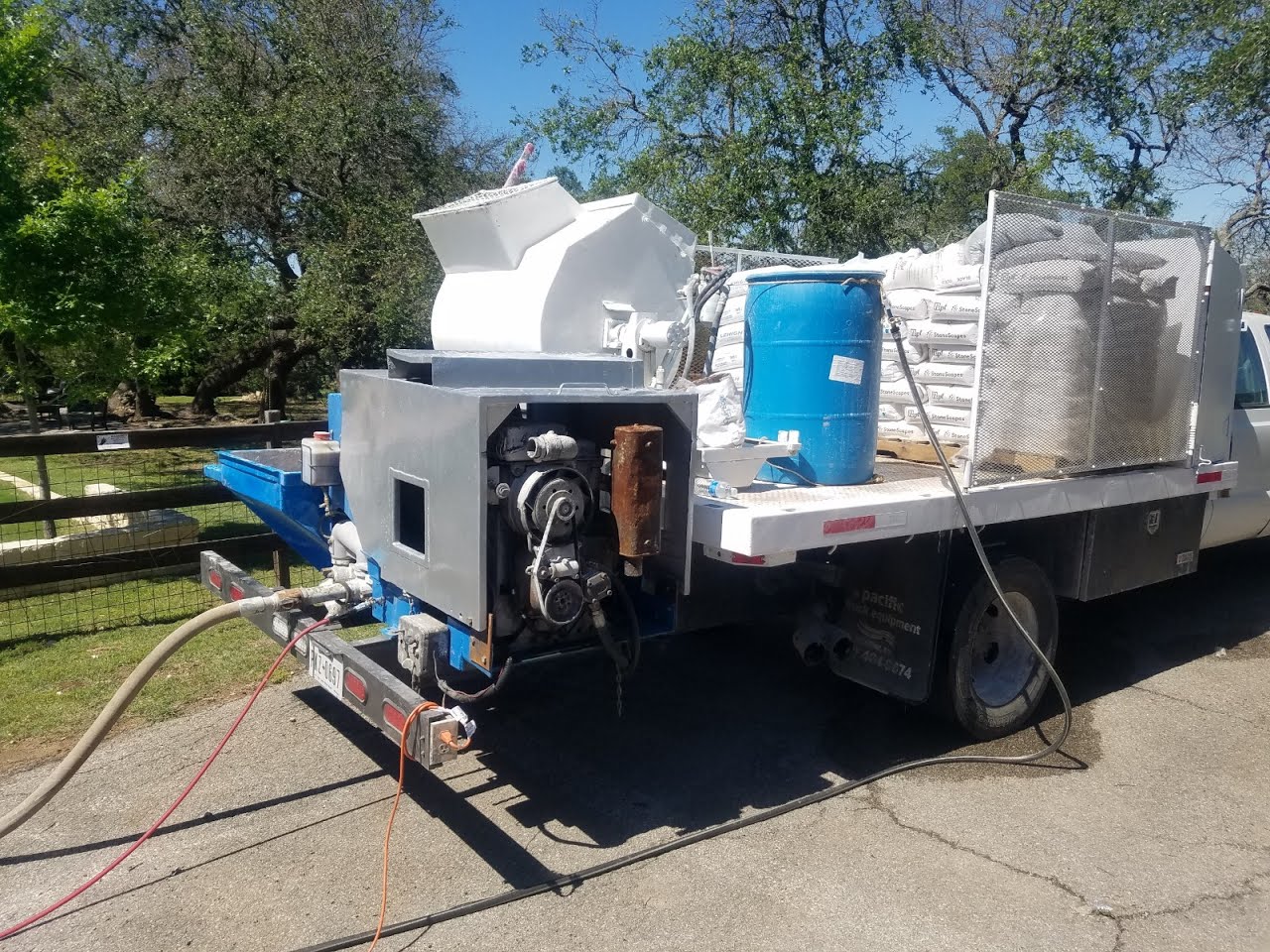
We start by draining the pool and pressure-washing the shell. Our crew chips off the old plaster, tile, and coping with demolition hammers and chisels. We inspect the gunite for cracks or delamination, then patch any voids with hydraulic cement. New tile is set with thinset mortar, and coping is installed with a mud bed. The surface is applied—either white plaster, quartz aggregate, or pebble—using a spray rig, then hand-troweled smooth. We fill the pool and start the water chemistry balancing.
Every renovation is different because of the pool’s original construction, its age, and how it was maintained. A kidney-shaped freeform pool with a raised spa takes more labor than a simple rectangle. If the gunite shell has soft spots or the plumbing leaks, those repairs add time. Tile size and pattern complexity affect tile-setting speed. Weather matters: plaster cures best in mild temperatures, so hot or cold spells can stretch the schedule. Access for equipment and debris removal also plays a role.
On the first morning, our crew sets up tarps and plywood to protect your deck, landscaping, and equipment. We work from a truck loaded with materials, tools, and a dump trailer. Each day we clean up debris and leave the site safe. Before we arrive, you should clear furniture, potted plants, and pool toys from the deck. After the new finish is applied, you will need to run the pump on a schedule we give you and avoid swimming until the plaster cures fully—typically 28 days.
Gunite Delamination
When the old plaster separates from the gunite shell, water gets behind it and causes hollow spots. We chip out all loose material and patch with hydraulic cement before resurfacing.
Quartz vs. Pebble
Quartz plaster uses crushed quartz for a smooth, stain-resistant finish. Pebble finishes use river gravel for a textured, slip-resistant surface that lasts longer in high-traffic pools.
How we work
- Same crew from quote to clean-up
- We come to you, no shop visits
- Written quote before any work starts
- Chip to shell, no thin patches
- Protect deck and landscaping on site
- Care sheet left after every finish

Get a Free Quote
Our 4-step pool renovation process
Drain & Demo
We drain the pool, then chip off the old plaster, tile, and coping with pneumatic tools. The shell is pressure-washed to expose any cracks or delamination.
Structural Repairs
We patch cracks and hollow spots in the gunite with hydraulic cement. Plumbing lines are pressure-tested, and any leaks are repaired before the new surface goes on.
Tile & Coping
New tile is set at the waterline with thinset mortar, and coping stones are installed on a mud bed. We let the mortar cure before moving to the finish.
Plaster & Fill
The new surface—plaster, quartz, or pebble—is applied by spray rig and hand-troweled. We fill the pool immediately, then start the water chemistry and brushing schedule.
Why IPP - Invictus Pool Plastering for pool renovation
Full Shell Inspection
We do not just cover up old plaster. Every renovation includes a thorough check of the gunite shell for cracks, delamination, and soft spots that could cause future failures.
Coordinated Trades
Our crew handles demolition, structural repair, tile setting, coping installation, and plastering. You do not have to schedule separate plumbers, tile setters, or masons.
Cure-Time Care
Proper plaster curing depends on daily brushing and correct water chemistry from day one. We give you a written schedule for pump run times and brushing to protect the new surface.
Related services
View all services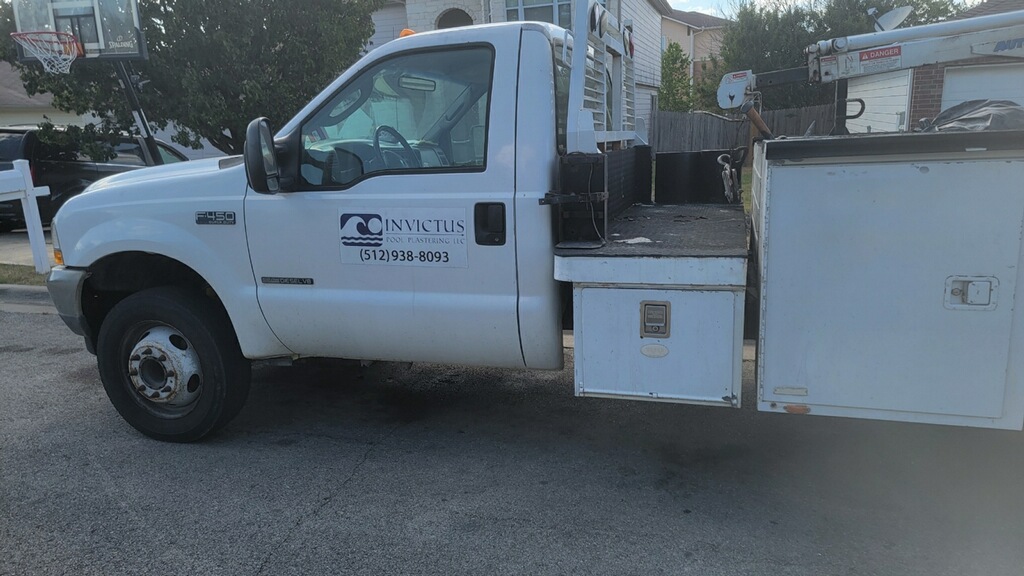 Pebble FinishA pebble finish gives your pool a natural, textured look that is durable and comfortable underfoot. We use a mix of small pebbles and cement, applied by hand and then polished to reveal the stone. This finish is popular for its longevity and resistance to chemicals, and it comes in a variety of colors.View detailsQuartz PlasterQuartz plaster is a step up from standard plaster, with crushed quartz added for extra strength and a subtle sparkle. It is smoother than pebble and easier to maintain, while still being more durable than plain plaster. Many homeowners choose it for the way it catches the light and makes the water look inviting.View details
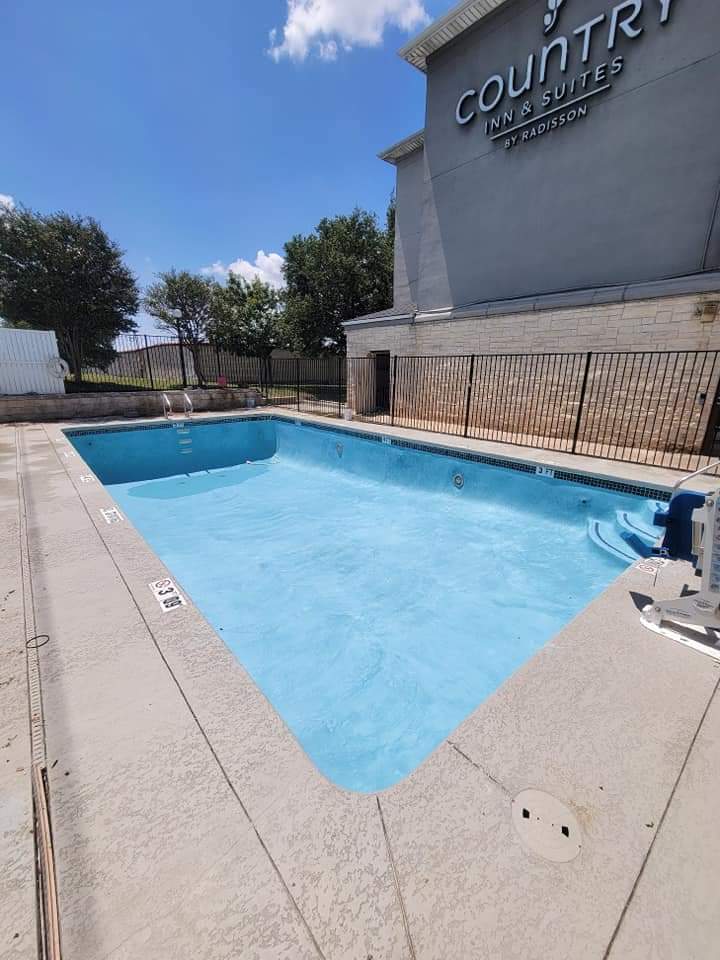 Tile Repair & ReplacementCracked, missing, or faded tile can ruin the look of an otherwise nice pool. We replace individual tiles or entire waterline bands, matching the style and color as closely as possible. Our crew removes the old tile carefully to avoid damaging the pool shell, then installs the new tile with waterproof adhesive.View details
Pool Renovation FAQs
Get a Free Estimate
Ready to give your pool a fresh look? Call us or fill out the form and we will come out to your home for a free, no-obligation estimate.