Why pool surfaces wear out
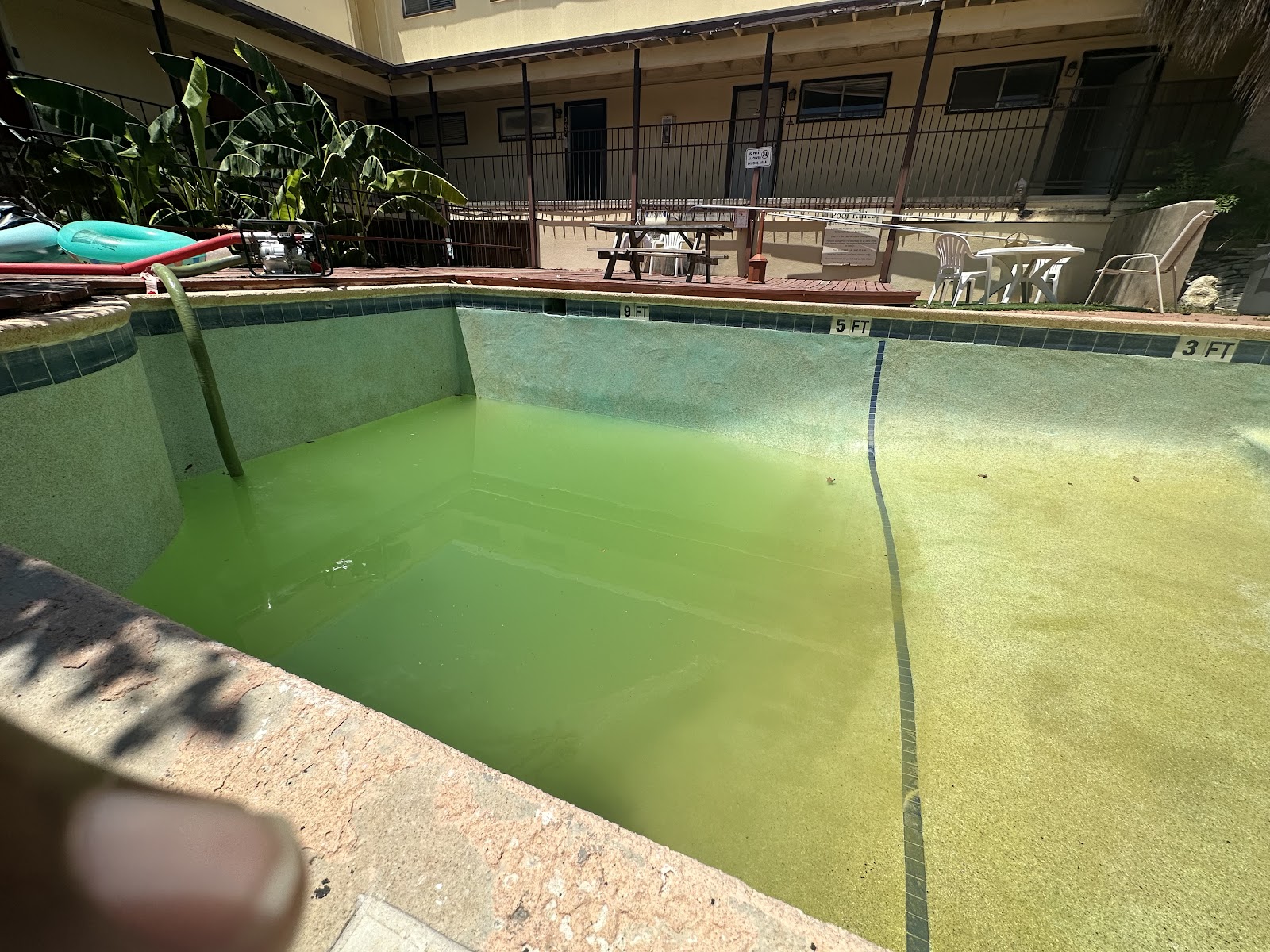
Every pool surface has a service life. Over time, constant exposure to water chemistry, sunlight, and regular cleaning takes a toll on the plaster, pebble, or quartz finish. Even a well-maintained pool will eventually show signs of aging, and catching those signs early can save you from bigger problems like structural damage or leaks. The surface is your pool's first line of defense, and when it starts to fail, the water can begin to affect the shell beneath.
Knowing what to look for helps you decide when to call a crew for an evaluation. Some warning signs are obvious, like chunks of plaster in the skimmer basket. Others are subtle, like a change in how the water feels on your feet. By learning the common indicators of a worn-out finish, you can plan your pool renovation before a small issue turns into a costly repair.
Rough texture and staining
One of the earliest signs that your pool surface is degrading is a change in texture. When plaster or pebble finish begins to erode, the aggregate becomes exposed, creating a rough, abrasive feel on your feet and hands. You might notice that the surface feels like sandpaper along the benches, steps, or shallow end. This roughness not only makes the pool uncomfortable but also traps dirt and algae more easily, making cleaning harder.
Staining is another common indicator. Discoloration that does not brush off, such as dark spots, brown streaks, or white calcium deposits, often means the surface layer has worn thin. When the underlying gunite or shotcrete becomes exposed, it can react with the water chemistry and create persistent stains. If you see patches of different colors or a blotchy appearance across the floor and walls, the finish is likely past its prime.
Cracks and delamination
Cracks in the pool surface range from thin hairline fractures to wider gaps that can let water seep behind the plaster. Hairline cracks are often the first sign of structural movement or shrinkage, but they can also indicate that the finish has lost its bond with the shell. If you see cracks that run across the floor or up the walls, especially if they are more than a sixteenth of an inch wide, the surface should be inspected.
Delamination is a more serious problem where the plaster layer separates from the gunite shell. You might notice hollow-sounding spots when you tap the wall, or a section of plaster that feels loose underfoot. Delamination usually happens because of poor bonding during the original application or because moisture has gotten behind the finish. If left untreated, large sections can pop off, exposing the shell and creating a safety hazard.
Pitting, spalling, and calcium buildup
Pitting looks like small craters or divots in the surface, often concentrated in the shallow end or along the waterline. It happens when the plaster's top layer wears away, leaving the softer material underneath vulnerable to erosion. Spalling is similar but covers larger areas where the surface flakes off in thin sheets. Both conditions make the pool harder to clean and can lead to sharp edges that might cut feet.
Calcium buildup, also called efflorescence, appears as white, chalky deposits on the surface. While some calcium scaling can be caused by high calcium hardness in the water, persistent buildup that reappears after brushing often means the plaster is deteriorating. The white deposits are calcium hydroxide leaching out of the aging finish. When you see scaling that does not respond to chemical adjustments, the surface is likely breaking down and needs to be replaced.
What to do when you spot the signs
If you notice any of these issues, start by checking your water chemistry to rule out a simple imbalance that might be causing staining or scaling. Balance the pH, alkalinity, and calcium hardness, then see if the problem improves. If the rough spots, cracks, or stains persist after a week of balanced water, it is time to call a professional crew to assess the surface. They can chip away a small test area to see how thick the remaining plaster is and whether the bond is sound.
A thorough inspection will tell you whether you need a full resurface or just a patch repair. In many cases, once the surface has started to pit, crack, or delaminate, the best long-term solution is to strip the old finish and apply a new one. This is a job for an experienced crew that works on site, loading up their equipment, driving to your home, and completing the work in your backyard. Addressing the problem early keeps your pool safe and comfortable for years to come.